How Was The Decision Aid Developed?
The decision aid was developed by members of the Uehiro Oxford Institute and the Institute for Art and Law, in collaboration with several external contributors with experience of restitution cases or relevant expertise in ethics or policy-making. The initial interdisciplinary workshop that provided the foundation for this project was funded by the Oxford Policy Engagement Network, and the participation of some members was funded by ANTITHESES: The Discovery Platform for Transformative Inclusivity in Ethics and Humanities Research (grant number 226801)
Further details of the core members of the working group behind the tool can be found below.
The questions incorporated into the moral decision aid are based on analysis published in peer-reviewed journals in academic philosophy, and following consultation with contributors to the inter-disciplinary workshop and other stakeholders. You can find a full academic rationale for the decision aid under the ‘resources’ tab.
The Team Behind The Decision Aid
Project Co-Leads
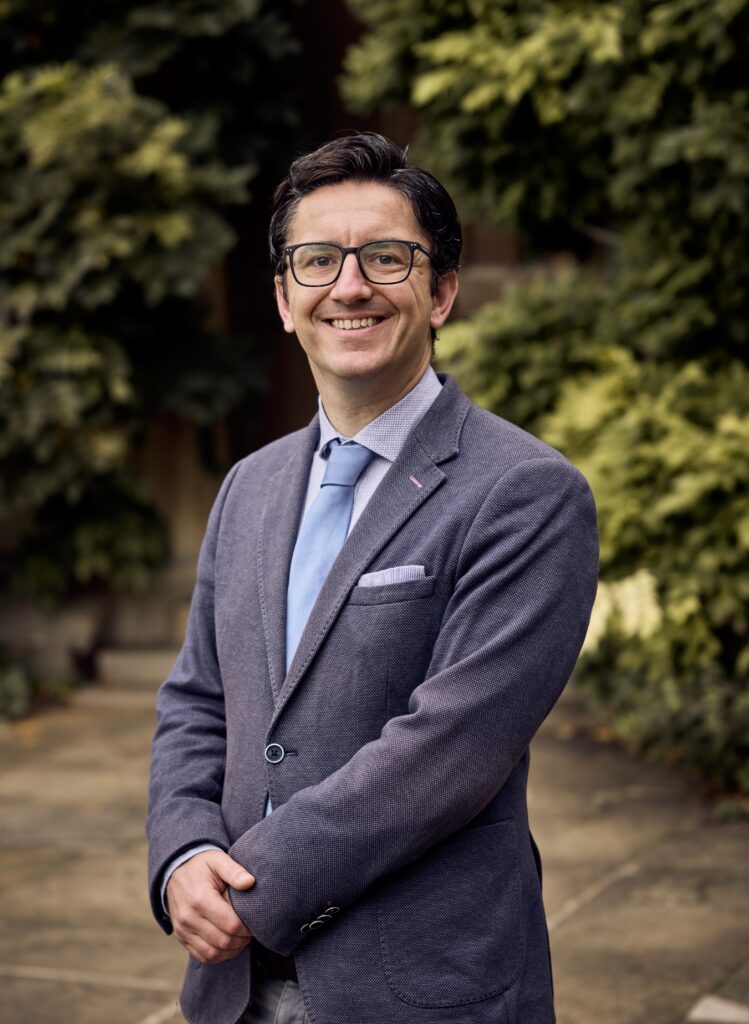
Jonathan Pugh
Dr. Jonathan Pugh is a Senior Research Fellow at the Uehiro Oxford Institute, and the Theme Lead for Values and Society at Reuben College, University of Oxford. His academic background is in philosophy, and his research largely concerns how philosophy can be used to address practical ethical issues in policy. He was previously a member of the UK Pandemic Ethics Accelerator, and the Parfit-Radcliffe Richards Fellow at the Uehiro Oxford Institute. He has published work in philosophical and scientific journals on a range of topics in practical ethics, and he is the author of Autonomy, Rationality, and Contemporary Bioethics (OUP, 2020).
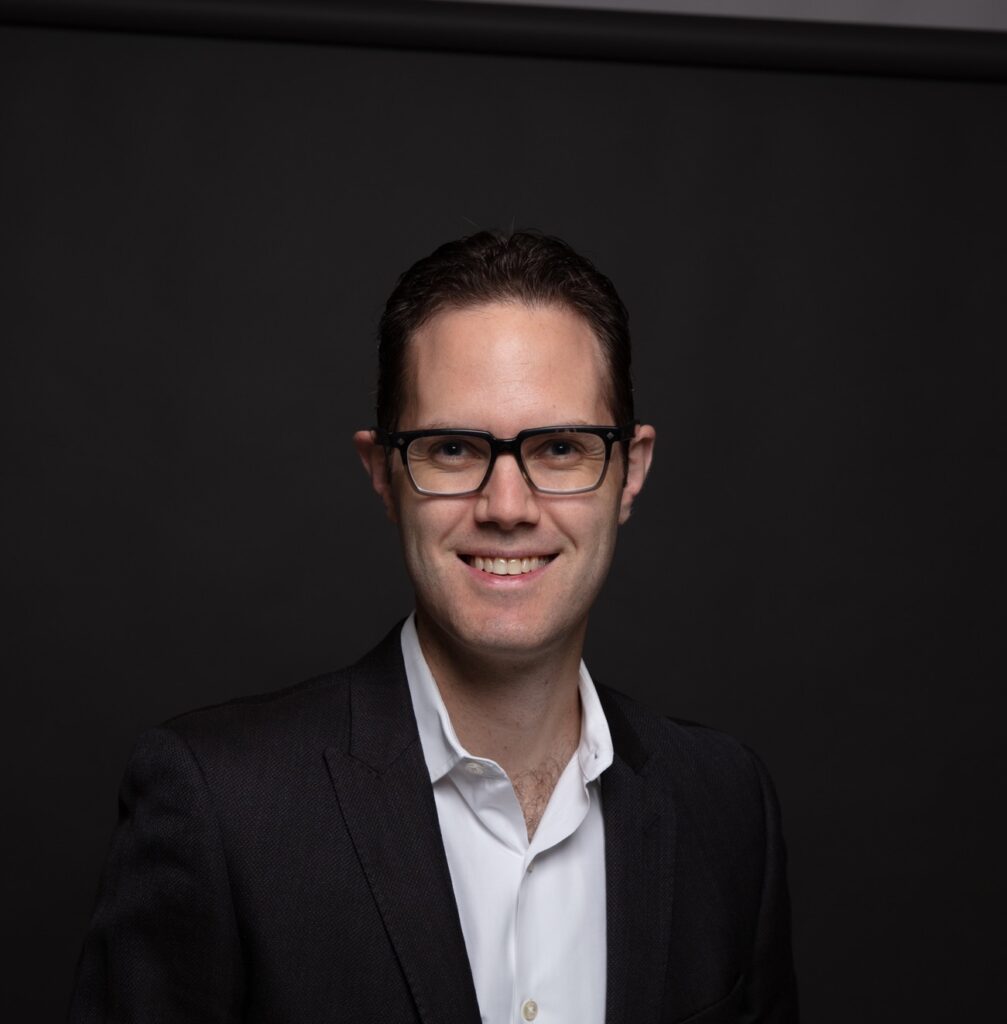
Alexander Herman
Alexander Herman is the Director of the Institute of Art and Law. He has written, taught and presented on an array of topics in relation to art, law and cultural property. His writing appears regularly in The Art Newspaper and he has been quoted widely in the press on art law topics (including in The Guardian, The New York Times, The Atlantic, The Economist, The Telegraph, ArtNET, The Financial Times and The Globe & Mail). His books include Restitution: The Return of Cultural Artefacts (Lund Humphries, 2021) and The Parthenon Marbles Dispute: Heritage, Law, Politics (Hart Publishing, 2023). His work has also been cited in the UK House of Lords and in an amicus curiae brief before the US Supreme Court. He trained in both common law and civil law legal systems at McGill University and practised law in Montreal, Canada. He is Programme Co-Director of the Art, Business and Law LLM and is a frequent contributor to the IAL blog. Find him on X @artlawalex and LinkedIn.
Working Group Members
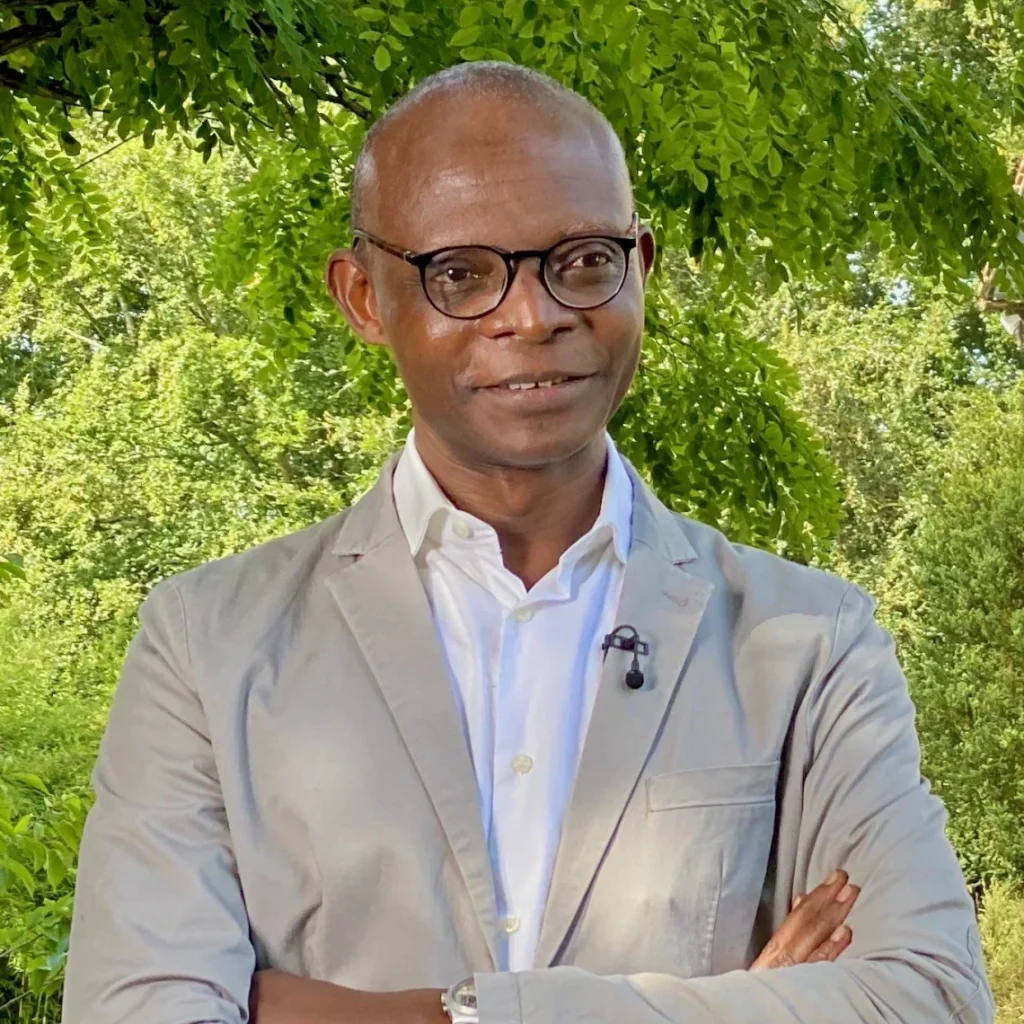
Caesar Atuire
Professor Caesar Atuire is a philosopher and health ethicist from Ghana who is currently the Ethics and Governance Lead for the MSc in International Health and Tropical Medicine. He is also Co-Associate Director of Oxford Global Health. Caesar holds an Adjunct Professorship of Philosophy at the University of Ghana and is an affiliate Instructor at the University of Washington’s Department of Bioethics and Humanities. He is also the President of the International Association of Bioethics (2024-2026). Caesar’s interests and research in bioethics are conceptual and empirical. On the former, he works around revisiting some of the underlying conceptual frameworks informing bioethics by drawing on philosophical ideas, African and non-African, that address inequity in the relationships that govern current approaches to global health with an eye to new ethical frontiers, decolonization, and pluriversality.
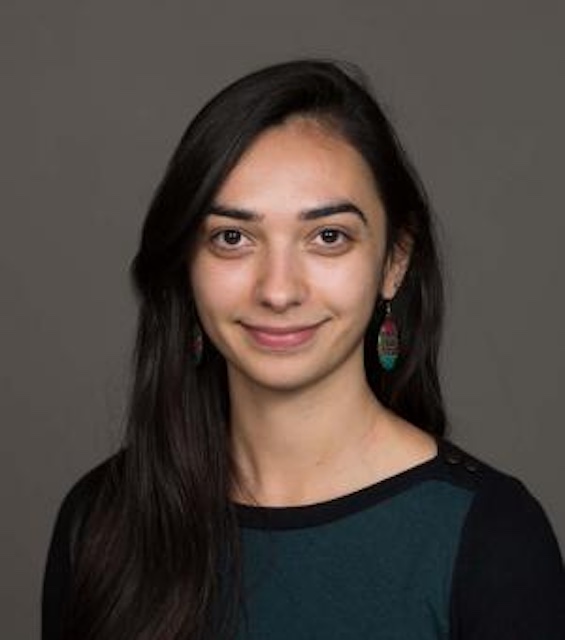
Joanna Cole
Joanna Cole is Assistant Curator of Objects and Provenance at the Pitt Rivers Museum, University of Oxford. She has previously worked in other collections-based roles at the Pitt Rivers Museum and the British Museum and holds degrees from UCL. Much of Joanna’s work is related to claims and potential claims for return for ancestral remains and cultural objects from across the globe. She has practical experience of the returns process, from providing guidance to potential claimants on restitution policy and writing detailed provenance research reports to accompany claims, through to planning returns ceremonies. Her work contributed to the Museum’s first return of a cultural object, a sunhat from the Kenyah Badeng community of Sarawak, in November 2024.
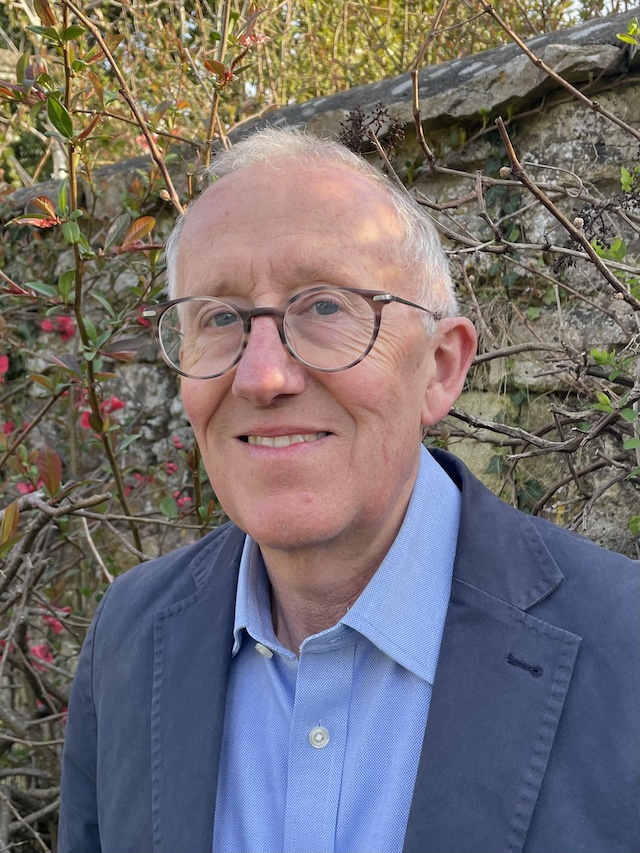
Roger Crisp
Prof. Roger Crisp is Director of the Uehiro Oxford Institute, Professor of Moral Philosophy at the University of Oxford, and Supernumerary Fellow, St Anne’s College, Oxford. He is the author of Mill on Utilitarianism, Reasons and the Good, The Cosmos of Duty: Henry Sidgwick’s Methods of Ethics, and Sacrifice Regained: Morality and Self-interest in British Moral Philosophy from Hobbes to Bentham. He edited the Oxford Handbook of the History of Ethics, and translated Aristotle’s Nicomachean Ethics for Cambridge University Press. He is currently translating and commenting on three of the Platonic dialogues concerned with the death of Socrates: Euthyphro, Apology, and Crito.
Erica Crump
Erica is Managing Partner at Bates Wells, a London based firm recognised for its leading position advising charities and non-profits. She chairs the partnership and Management Board, while maintaining her practice working with charities and creative organisations. She co-leads the firm’s Culture + Creative team. She supports many museums, galleries, theatres and cultural charities, including on their legal duties, governance and interactions with the Charity Commission. Erica currently serves as a trustee on three charity boards, Shakespeare’s Globe, Stone Nest and Unitas. Her work includes advising institutions on cultural artefacts – including their exhibition, loaning and wider social value. She supports organisations on restitution and repatriation claims. This includes support around the safeguarding of cultural artefacts, and opportunities around their return and/or wider international cultural partnerships. Erica and colleagues advised the Horniman Museum & Gardens on the governance and regulatory process for their return of 72 Benin objects to Nigeria, and 10 Warumungu objects to a community in Australia, both under the ex-gratia moral disposal route.
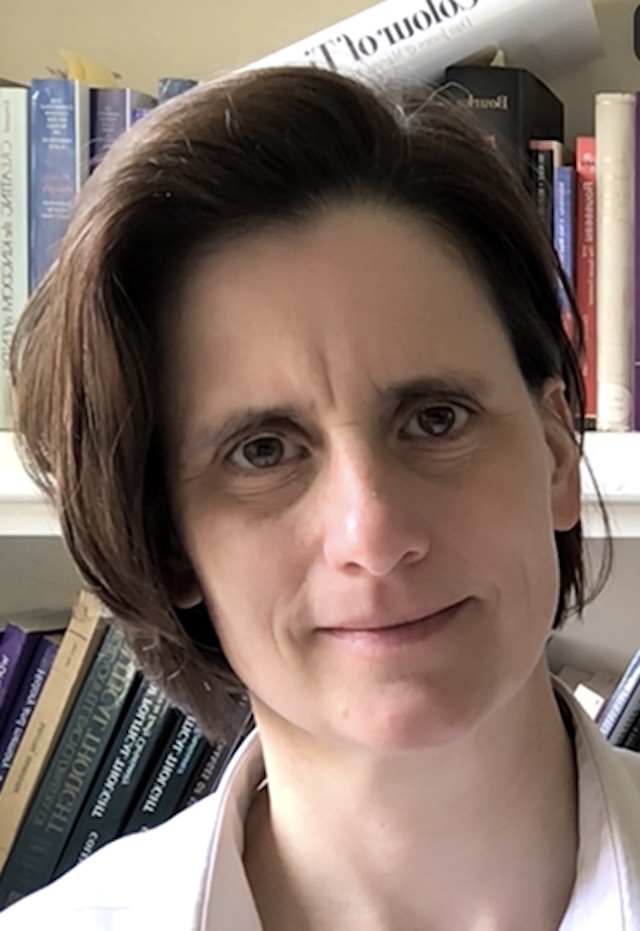
Cécile Fabre
Prof. Cécile Fabre is Senior Research Fellow in Politics at All Souls College, Oxford. She holds degrees from La Sorbonne, the University of York, and the University of Oxford, and had held positions at the LSE and the University of Edinburgh. Her research interests include theories of distributive justice, the rights we have over our own body, and the ethics of foreign policy. She has published papers in (amongst others) Ethics, Law and Philosophy, The Journal of Political Philosophy and the British Journal of Political Science. Her books include Social Rights under the Constitution (OUP 2000), Whos Body is it Anyway? (OUP 2006), Cosmopolitan War(OUP 2012), Cosmopolitan Peace (OUP 2016), Economic Statecraft (Harvard UP 2018), and Spying Through a Glass Darkly (OUP 2022). She delivered the Tanner Lectures on Human Values at Stanford in 2022 on the ethics of preserving cultural heritage, and is expanding the lectures into a monograph. She is a member of Academia Europaea and a Fellow of the British Academy.
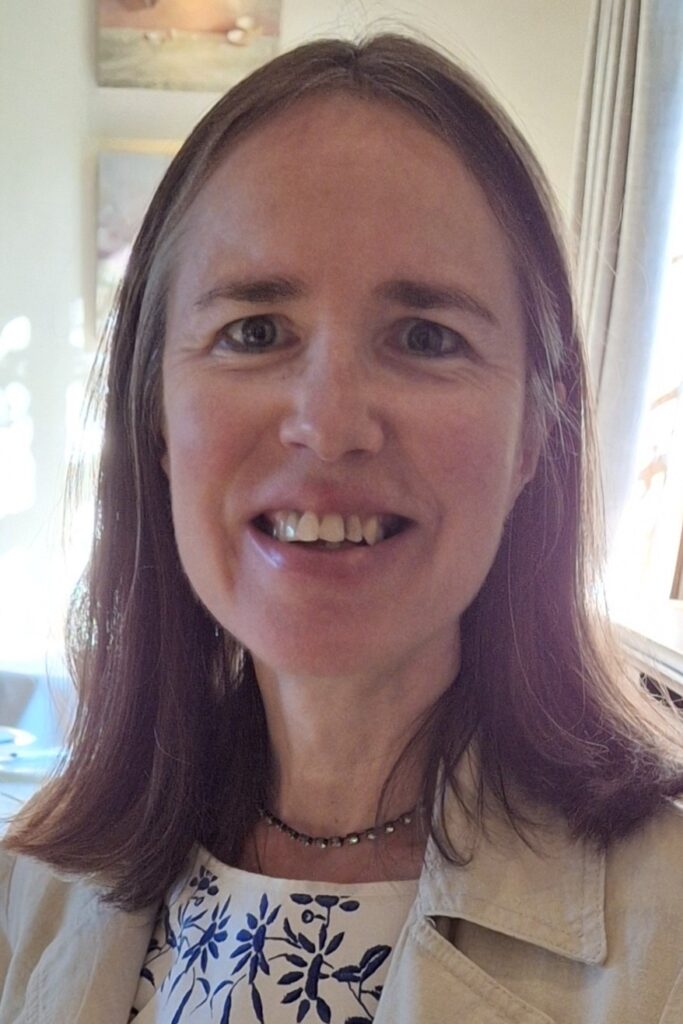
Emily Gould
Emily Gould is Assistant Director of the Institute of Art and Law. She writes, teaches and presents on a range of areas pertaining to art and cultural heritage law including copyright, heritage crime, museum ethics and contracts. She teaches and convenes on the Art, Business and Law LLM at the Centre for Commercial Law Studies, Queen Mary University of London and is a frequent contributor to the IAL blog. Emily practised as a lawyer both in private practice and in-house, and has also worked in the charity sector in fundraising and grants management in a range of sectors. Her association with the IAL goes back to 1997, when she worked in the organisation’s first office in Leicester. In April 2023, she was an expert witness on NFTs before the UK House of Commons Select Committee on Culture, Media and Sport.
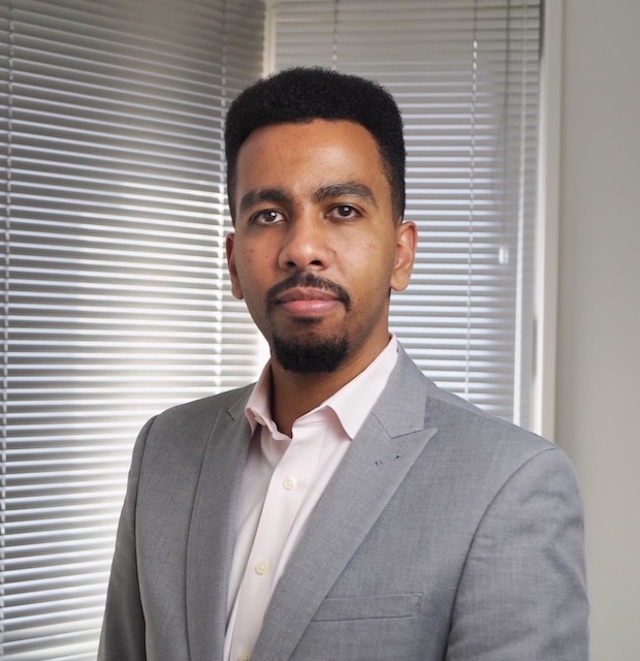
Frezer Haile
Dr Frezer Getachew Haile is an Associate Director at Panterra, a global strategic advisory consultancy that provides trusted counsel to governments and corporations across Africa, Europe and Asia on complex transnational challenges. Prior to this, he served as a senior adviser within the Ethiopian Government, where he oversaw Ethiopia’s diplomatic engagement on cultural restitution in the United Kingdom and led negotiations with major UK cultural institutions. He holds a doctorate in politics and geography from King’s College London and regularly speaks on the practice and diplomacy of restitution negotiations.
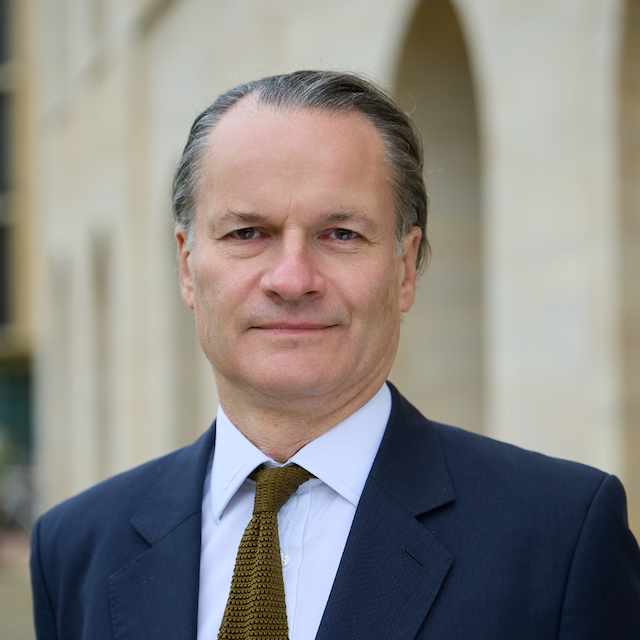
Edward Harcourt
Edward Harcourt is Professor of Philosophy at the University of Oxford and a Fellow of Keble College. His philosophical interests lie on the boundaries between ethics and the philosophy of mind, and in the philosophy of mental health and mental illness. He is currently serving as Director of the Institute for Ethics in AI (Interim) and as Academic Director of the Royal Institute of Philosophy, a charity which aims to ‘educate the public in the subject of philosophy’.
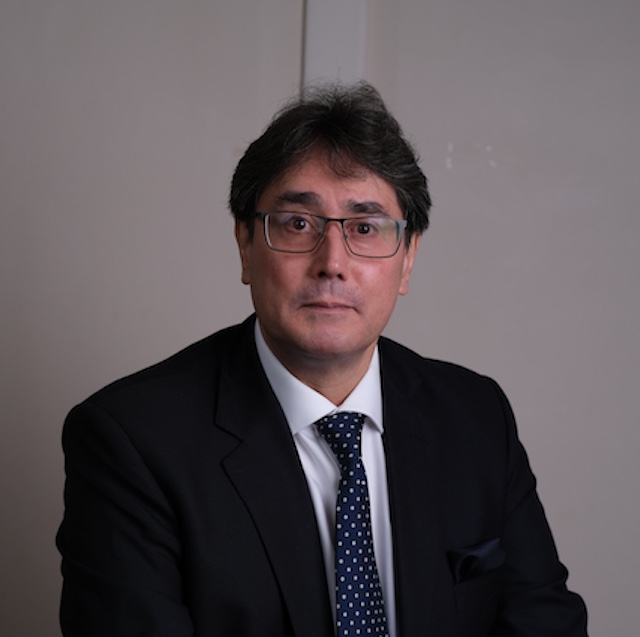
Carl Amir-UL Islam
B.Soc.Sc (Keele) (Law & Political Science) (Joint-Honours), LLM (Exon)(International Business Legal Studies), Diploma in Art Law (Institute of Art & Law) (London), Barrister (Lincoln’s Inn), Advisory Board Member to the Standing Conference of Mediation Advocates, MSoM, CMC Registered Mediator, member of the Art Lawyers Association and TEP (Emeritus). Carl is also the author of the ‘Contentious Trusts Handbook’ (2020) and of the 2nd Edition of the ‘Contentious Probate Handbook’ (2025) – both published by the Law Society. Carl practices as a Barrister and CMC Registered Mediator, specialising in Cultural Heritage Disputes, at 1 EC Barristers in London (www.1ec.co.uk). A link to the YouTube broadcast of Carl’s recent online talk about the ‘Mediation of Cultural Heritage Disputes’, presented in November 2025, appears on the Home Page at www.carlislam.co.uk.

Michael Parker
Michael Parker is Professor of Bioethics and Director of the Ethox Centre at the University of Oxford.He leads a programme of cross-disciplinary research focused on the identification and analysis of ethical problems presented by advances in genomics, data science, and global health. He has particular theoretical and methodological interests in moral disagreement and value pluralism. Much of this work takes place in the context of multidisciplinary collaborations. These include: the Global Health Bioethics Network; the Oxford-Johns Hopkins Global Infectious Disease Ethics Collaboration (GLIDE); ANTITHESES: the Discovery Platform for Transformative Inclusivity in Ethics and Humanities Research; the Genethics Forum; and Oxford Ethics and Humanities.
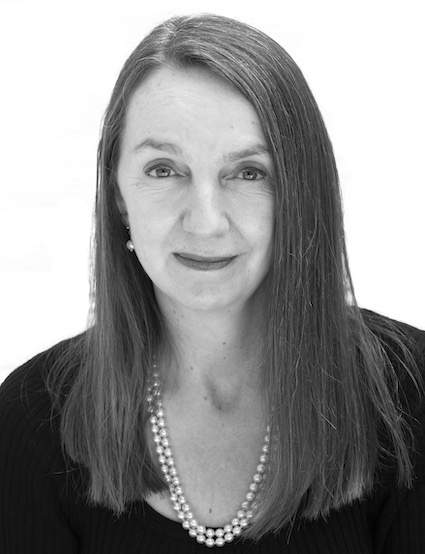
Anastasia Tennant MBE
Read Literae Humaniores at St Anne’s College, Oxford; law conversion degree at the College of Law followed by 4 years at a private client law firm in Gray’s Inn Square where she qualified as a solicitor; in-house lawyer at the National Trust; 2000-2009 Director in the Heritage & Taxation Advisory Service at Christie’s; 2009- 2023 Deputy Head and then Senior Policy Adviser in the Museums & Cultural Property team initially at the Museums, Libraries and Archives Council and, since 2011, at the Arts Council where she provided advice and guidance across all its statutory cultural property schemes. Member of STEP and Historic Houses Tax Committee from 2024.
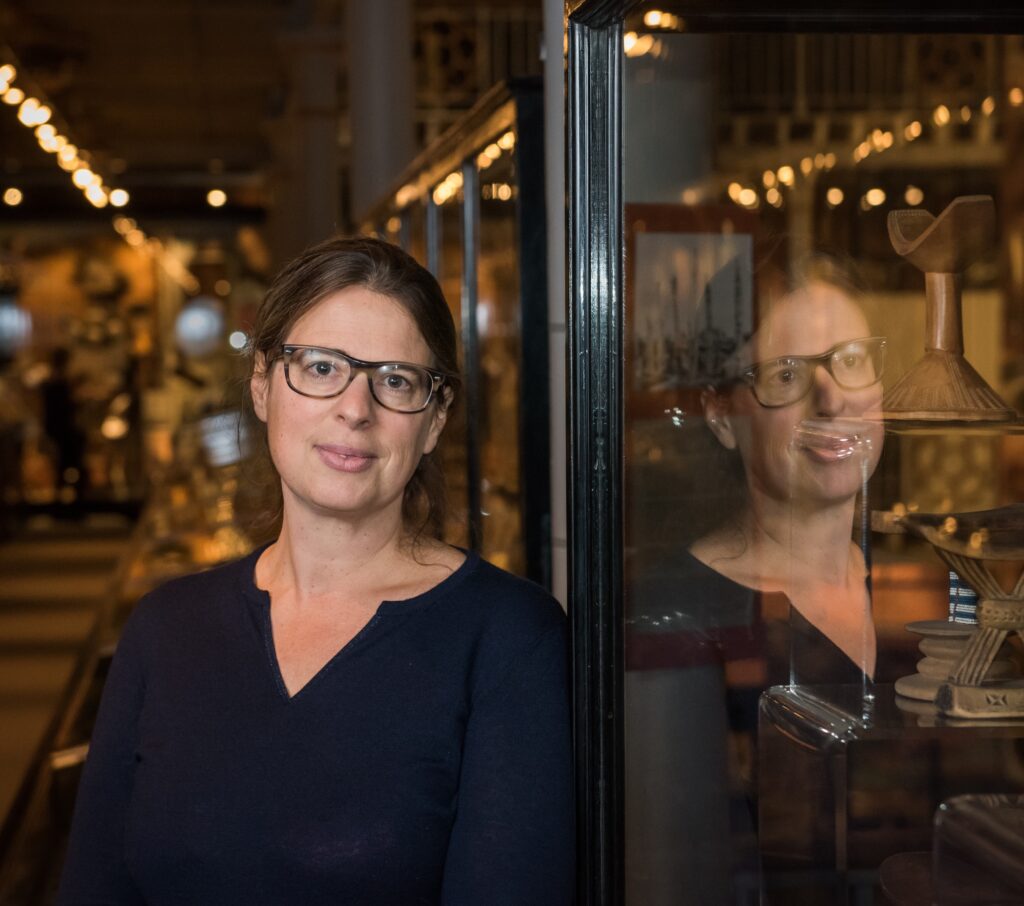
Laura Van Broekhoven
Professor Laura Van Broekhoven is the Director of the Pitt Rivers Museum and Professor of Museum Studies, Ethics and Material Culture at the University of Oxford. As a member of the Colonial Collections Committee, she advises the Dutch Ministry of Culture on repatriation. She is an international authority on museum ethics and the development of new praxis in the field of ethnographic museums, especially with regards to redress and repatriation. At the 2022 European Museum of the Year Awards, Laura was awarded the Kenneth Hudson Award for Institutional Courage and Professional Integrity by the European Museum Forum as recognition of four museum directors for their ‘”personal courage and professional integrity in their continuous contributions to developing a new global ethics for museums, addressing the urgent and contentious issues of decolonization, restitution, reparation and repatriation.” In May 2025, Laura won the “Making a difference globally” VC award and the Museum+Heritage ‘Partnership of the Year’ award for the groundbreaking Maasai Living Cultures project.
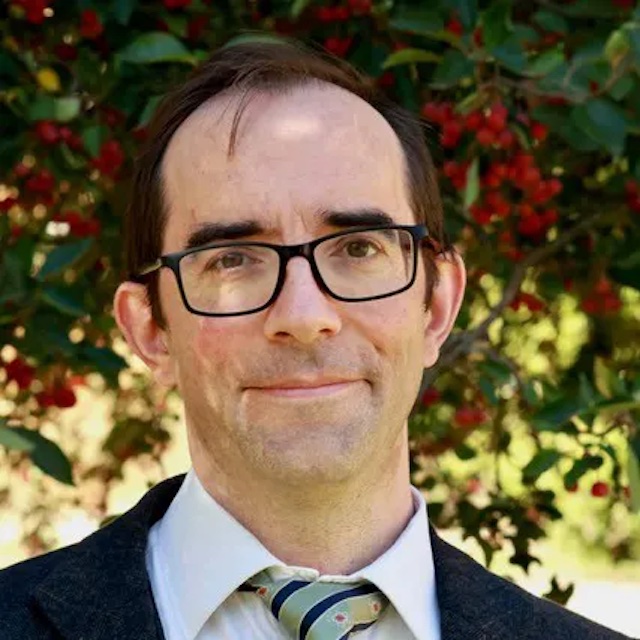
Dominic Wilkinson
Dominic Wilkinson is Professor of Medical Ethics at the University of Oxford, Deputy Director of the Uehiro Oxford Institute, and Director of People. He is a consultant in newborn intensive care at the John Radcliffe Hospital, Oxford, and a Senior Research Fellow at Jesus College OxfordDominic has published more than 250 academic articles relating to ethical issues in medicine for seriously ill adults, children and newborn infants. His edited and co-authored books include ‘Pandemic Ethics’ (Oxford University Press 2023); ‘Medical Ethics and Law, third edition’ (Elsevier 2019); ‘Ethics, Conflict and Medical treatment for children, from disagreement to dissensus’ (Elsevier, 2018) (BMA President’s Award in 2018 British Medical Association Book Awards). He was Editor and Associate Editor of the Journal of Medical Ethics from 2011-2018.
Our funders